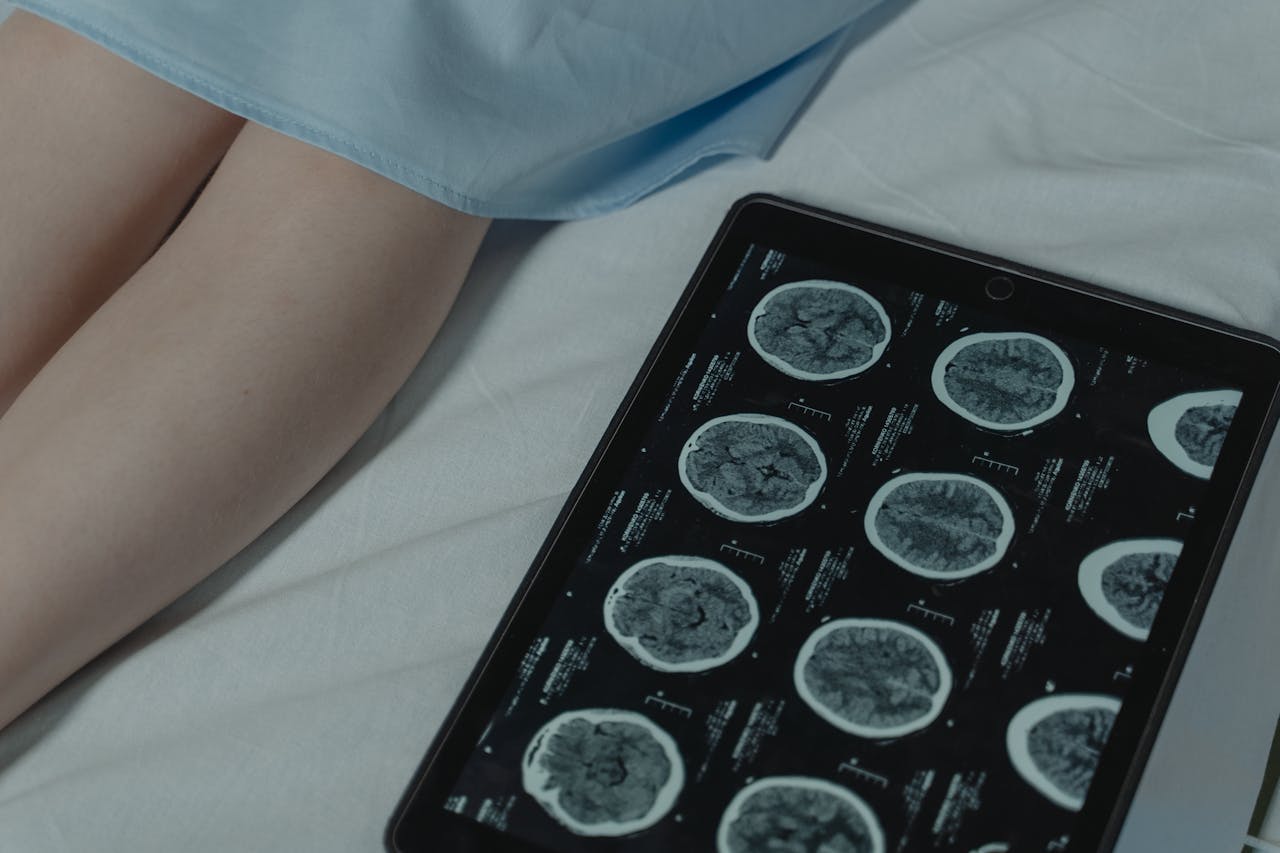
Managing pain associated with living with lupus is often part of life. Chronic pain may be localized to one or more of the joints, but can also affect muscle tissue, and even internal organs.
This pain can vary from dull aches and pains that have an almost constant presence, to severe throbbing and even incapacitating aches and pains. For most individuals it is the physical sensation as well as the impact on emotional and mental well-being which are most difficult to deal with. The ability to cope with chronic pain related to lupus is crucial to improving one’s quality of life and sense of control.
Understanding Lupus-Related Pain
Lupus is a disease in which the body’s immune system becomes over active and attacks normal tissue. This attacks causes inflammation and this is often responsible for the severe pain associated with lupus. Patients commonly experience joint and muscle pain with significant stiffness on waking.
Joints can swell and feel very sore and moving them can even be too painful. Sometimes the condition affects the nerves, causing further pain or may have co- morbid problems such as fibromyalgia. Unlike acute pain from an injury lupus pain can be variable, varying from persistent at a low level, to fluctuating periods (flares) of intense pain. The unpredictable nature of lupus pain is not only difficult to cope with but makes life planning and daily routine very challenging.

The Physical Impact of Chronic Pain
Chronic pain can impact on physical function. Simple activities, such as walking, working, preparing food or even climbing out of bed can seem like huge effort. This often leads to a reduced level of physical activity, which can further weaken muscles and joints, thus producing a vicious cycle of pain and fatigue.
Sleep is often impaired too. It is difficult to either get to sleep or remain asleep, because of the pain, and loss of sleep can then reduce the threshold for pain, starting another cycle. In addition to this there is general tiredness, as people struggle with the physical and emotional demand.

The Emotional Toll
Chronic pain is not just a physical experience it deeply affects mental health. Many people with lupus report feelings of frustration, sadness, anxiety, or even hopelessness. It can be difficult when others do not fully understand what you’re going through, especially since lupus symptoms are often invisible.
There may also be a sense of loss of energy, independence, or the ability to participate in activities once enjoyed. Acknowledging these emotions is an important step toward coping effectively.
Talk to your doctor.
Medicine is an important component in managing pain. Your doctor can prescribe anti-inflammatories, immunosuppressants or other medications to treat inflammation and symptoms. Having routine appointments will allow your doctor to determine if your medication is working and if it needs to be adjusted.
Do moderate physical activity. Moving and getting regular exercise will likely help your pain decrease over time. Low impact activities, such as walking, stretching, yoga, or swimming, will aid in better flexibility and more muscle power. The key to this exercise plan is to start with the basics and not push yourself to become too exhausted.
Schedule rest and recovery time. Rest is crucial during lupus flares to ensure that your symptoms don’t become worse. Developing a balanced lifestyle with scheduled activity and rest will be a great aid in managing energy.
Try heat/cold therapy. Heating muscles can increase blood flow and relaxation, while cooling will help ease swelling and numbness of sore spots. Many find that using heat and cold alternately is beneficial depending on the situation. Reduce stress levels. Stress can exacerbate the pain and symptoms of lupus. Deep breathing, meditation, journaling or mindfulness meditation will relax your body and nerves.
Lifestyle Adjustments That Help
Minor modifications in daily habits can prove quite helpful in the management of chronic pain. Healthy eating should involve eating foods that are known to decrease inflammation, sufficient hydration and exposure to things like excessive sun to a minimal degree. Organizing the home is another helpful endeavor, placing needed items within easy reach or using assistive devices to protect joints and reduce the risk of strain. Making to-do lists or forward-thinking plans to accomplish tasks throughout the week will prevent tasks from being overwhelming.

Building a Support System
You are not alone when you live with chronic pain. Friends, family, or others with lupus may be an emotional and practical support. Support groups-in-person and online-are also a valuable resource. Here, you can discuss challenges and learn from the experiences of others with lupus.
Counseling or therapy with a mental health professional may also be helpful. They can work with you on developing coping mechanisms and managing stress. They can also help you deal with the emotional toll of living with a chronic disease.
It can be frustrating and a key challenge of chronic pain that you have no sense of control over it. There are however some ways to achieve some degree of certainty. Monitoring symptoms, noting triggers, and establishing routines can allow you to develop a greater awareness of your body and know what to do and when.
You may also need to set realistic goals. Instead of concentrating on all that you cannot do, it may be better to break things down and achieve smaller steps. Acknowledging achievements, no matter how small they appear, will boost confidence over time.
Leave a Reply